DFW Commercial Real Estate for Sale – Why Businesses Are Looking Beyond Dallas
Dallas remains a major North Texas business center, but it is no longer the only place companies consider when buying property. Higher acquisition costs, limited availability in established districts, and competition for well-positioned sites are pushing owners to examine the wider metroplex.
For businesses comparing DFW commercial real estate for sale, suburban locations may provide more space, easier access, and a closer connection to expanding residential communities.
Why Businesses Are Looking Beyond Dallas
Searching for Dallas commercial real estate for sale can place buyers in a competitive market with dense traffic, older buildings, and fewer opportunities to expand on the same site. A central address may still suit companies that depend on downtown clients, but many retail, medical, restaurant, office, and service businesses need a different type of location.
DFW suburbs let buyers follow population growth and may offer newer construction, larger parking areas, and stronger road visibility. The decision is less about leaving Dallas and more about choosing the part of the metroplex that fits the business.
Benefits of Buying Commercial Property in DFW Suburbs
Ownership may give a business greater control over its layout, branding, improvements, and long-term location, subject to zoning, financing, and property restrictions. Suburban properties may also provide:
- More room for employees, equipment, customers, or inventory
- Convenient surface parking
- Access to growing neighborhoods
- Better signage opportunities
- Space to adapt as the business expands
Dallas vs. DFW Suburbs
Dallas offers a large customer base, recognized business districts, and proximity to major corporate activity. Those benefits often come with stronger competition, higher entry costs, and less flexibility in space-constrained properties.
A suburban location may offer easier parking, simpler access, and closer proximity to the neighborhoods creating demand.
The better option depends on the company. A medical practice serving families may benefit from residential proximity. A restaurant may prioritize visibility and parking. A corporate office with frequent downtown meetings may still prefer Dallas.
Why Little Elm Is Gaining Attention
Little Elm gives Dallas-area businesses access to a growing part of the DFW market while keeping them connected to surrounding North Texas communities. The Little Elm Economic Development Corporation reports a median household income above $126,000 and a projected build-out population of 107,000.
That growth supports demand for healthcare, dining, retail, professional, and everyday services. Businesses exploring commercial real estate for sale in Little Elm, TX can move closer to residents who value convenient local options.
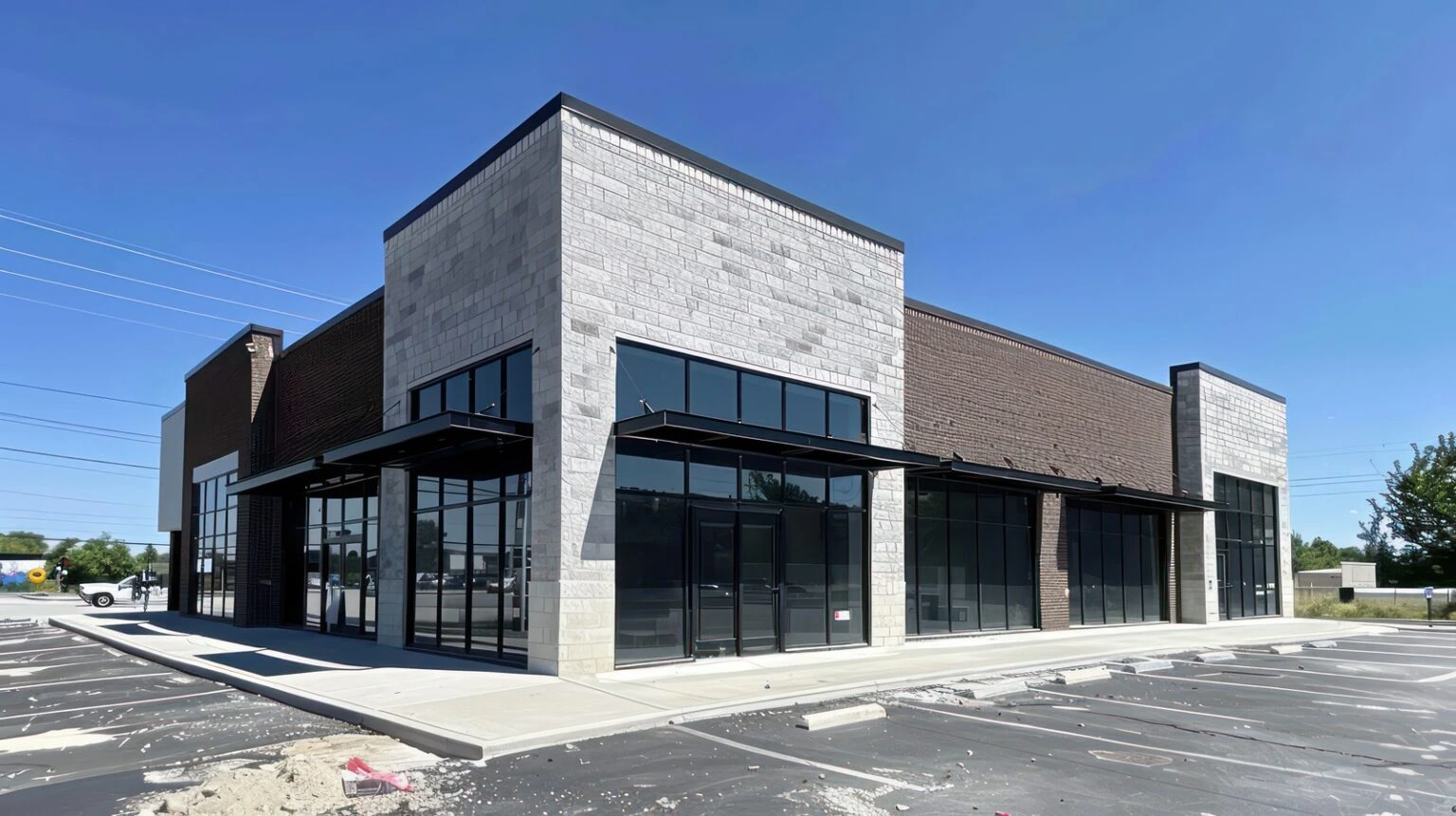
The Grove at Eldorado is planned for retail storefronts, medical offices, restaurant concepts, and other modern businesses. Its Little Elm location combines commercial visibility with access to surrounding residential demand.
What to Check Before Buying
Confirm that the property supports the intended use before focusing on finishes. Review zoning, permitted uses, signage rules, parking, utility capacity, access points, and any restrictions affecting medical, restaurant, retail, or office operations.
Inspect the building and site carefully. HVAC capacity, plumbing, electrical service, roof condition, drainage, accessible entrances, internet availability, and parking maintenance can all affect the true cost of ownership. Nearby development may also change traffic, visibility, and demand.
Understand the Total Cost
The purchase price is only the starting point. Buyers should budget for financing, appraisals, inspections, property taxes, insurance, maintenance, utilities, signage, and interior improvements.
An unfinished space may support a tailored layout, but the build-out budget must cover design, permits, utilities, accessibility, finishes, and specialized equipment.
These expenses should be estimated before comparing one property with another. A lower purchase price may not represent better value if the building requires major mechanical, structural, or interior work.
Is a Location Outside Dallas Right for Your Business?
Start with the customer base. Where do clients, patients, diners, or shoppers live, and how far will they travel? Then consider staffing, deliveries, parking, visibility, space requirements, and future growth.
A Little Elm property may suit a business that wants to serve northern DFW communities without paying solely for a central Dallas address. It may also give an owner greater flexibility to occupy, brand, and improve the property.
Explore Commercial Property in Little Elm
Buying commercial real estate requires a clear view of use, access, cost, condition, and long-term potential. Dallas remains important, but the wider DFW market gives businesses more ways to locate near the customers driving future growth.
The Grove at Eldorado offers property opportunities in Little Elm for retail, medical, office, restaurant, and service businesses. Explore the available plans and arrange a property tour to see whether the location and ownership opportunity support your goals.
Frequently Asked Questions
1. Is commercial real estate outside Dallas more affordable?
It may be, but pricing varies by suburb, property type, condition, and location. Compare the complete purchase and improvement cost rather than relying on the asking price alone.
2. Why are businesses moving to DFW suburbs?
Many businesses want proximity to growing residential areas, easier parking, newer properties, and access to customers across several nearby communities.
3. What should buyers check before purchasing commercial property?
Review zoning, approved use, utilities, condition, parking, signage, access, taxes, insurance, maintenance responsibilities, and expected build-out costs.
4. Is Little Elm a good location for commercial real estate?
Little Elm may suit businesses serving northern DFW households and nearby communities. The right choice depends on the company’s customers, operations, budget, and long-term plans.

Recent Posts
DFW Commercial Real Estate for Sale – Why Businesses Are Looking Beyond Dallas
How to Find the Right Commercial Space for Lease in Little Elm, TX